- Fashion fulfillment is hard because every style becomes many SKUs, returns are frequent, and demand spikes around launches and holidays.
- A 3PL turns fixed costs like rent, staff, and equipment into costs that rise and fall with your orders.
- The right partner is not the cheapest one. It is the one that can count sizes accurately, process returns fast, and meet wholesale rules.
- Fulfillment problems often start at the factory. Brands that connect purchasing to receiving avoid most of them.
What a 3PL actually does for a fashion brand
A third-party logistics provider (3PL) runs the physical side of selling products. It receives your inventory, stores it, picks and packs each order, ships it, and handles what comes back. You keep control of design, marketing, and sales. The 3PL keeps the warehouse running.
For a fashion brand, the core services usually include:
- Receiving: counting inbound cartons, checking them against the packing list, and logging every unit by style, size, and color.
- Storage: shelving and bins for folded goods, and in some warehouses, hanging rails for garments that ship on hangers.
- Pick, pack, and ship: pulling the right size and color, packing it the way your brand wants, and handing it to the carrier.
- Returns processing: inspecting returned items, grading them, and putting sellable units back into stock.
- Value-added services: kitting and bundles, relabeling, retail prep, gift notes, and special packaging.
- Reporting: live stock levels, order status, and returns data that feed your buying decisions.
A 3PL is different from a freight forwarder, which moves goods between countries, and from a customs broker, which clears goods through U.S. Customs. Many brands need all three. The difference is who coordinates them.
Why apparel is harder to fulfill than most products
A brand selling one kind of kitchen gadget can run fulfillment from a spare room for a long time. Fashion brands hit the limit much sooner. Five things make apparel different.
1. The size and color matrix
One T-shirt style in five sizes and four colors is 20 SKUs. Launch ten styles a season and you are managing hundreds of SKUs that look almost the same on a shelf. A medium black tee and a large black tee sit side by side, and a tired packer can grab the wrong one. Every mis-pick becomes a return, a second shipment, and an unhappy customer.
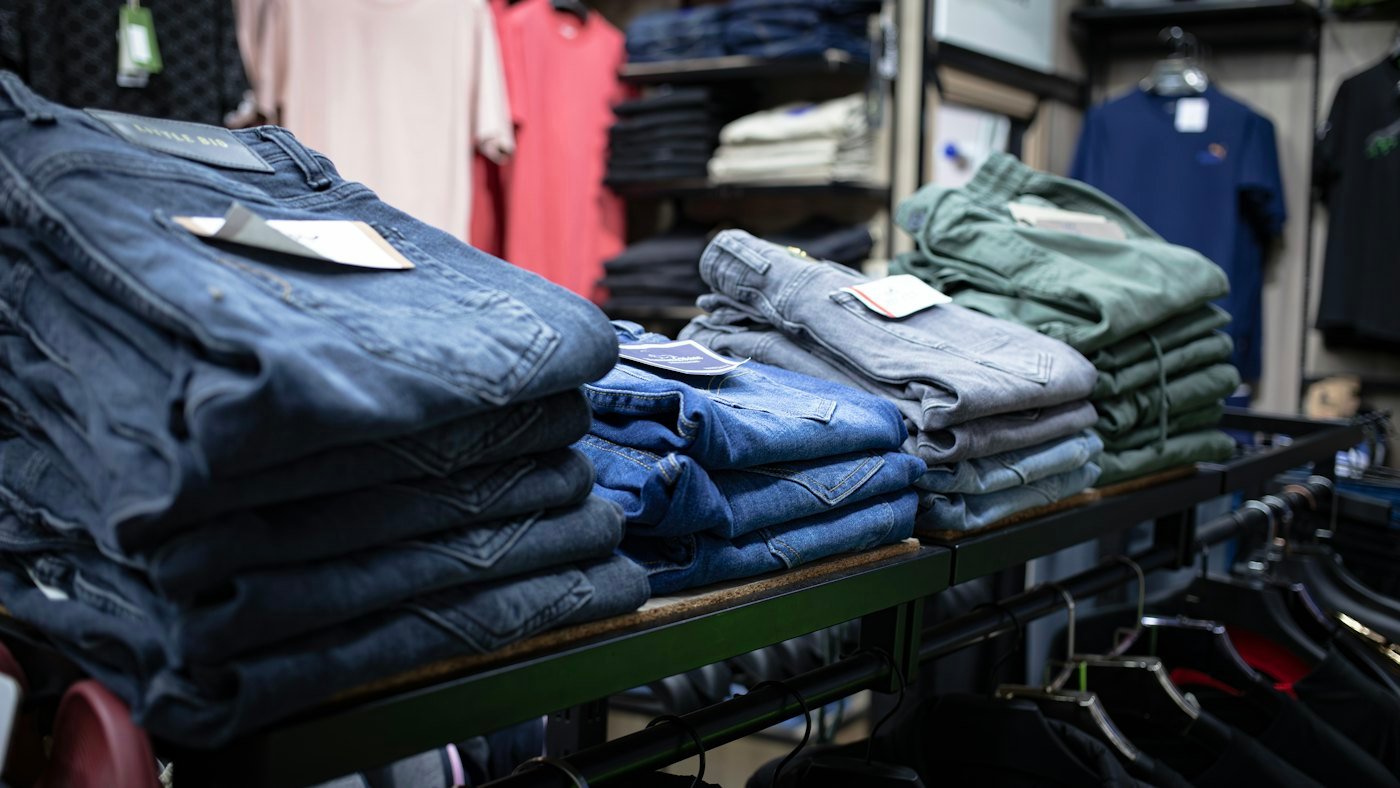
A good 3PL scans every unit at receiving, picking, and packing, so the system confirms the size before the box is sealed. It also stores fast-moving sizes where pickers can reach them quickly.
2. Returns are part of the business
Customers buy two sizes and send one back. They order a color that looks different in person. Fit-driven returns are normal in fashion, and they arrive in waves after holidays and big sales. Each return has to be opened, checked for wear, stains, and missing tags, then refolded and rebagged before it can be sold again. When returns sit in a corner for weeks, that stock is invisible to your store and you lose sales on items you actually own.
3. Launches, drops, and seasons
Fashion demand is lumpy. A new collection, a restock email, a creator post, or a holiday sale can bring a week's orders in a day. In-house teams either staff up for peaks and pay for idle time the rest of the year, or fall behind when volume spikes. A 3PL spreads labor across many clients, so it can add people and shifts when your drop lands.
4. Presentation is part of the product
For a fashion customer, the unboxing is the first touch of the brand. Folding method, tissue, stickers, inserts, and branded mailers all matter. A 3PL that treats every order like a generic parcel can undo the work your marketing did to win that customer.
5. More than one sales channel
Most growing apparel brands sell through their own online store, one or more marketplaces, and wholesale accounts such as boutiques and department stores. Each channel has different rules. Wholesale orders ship in cases or on pallets, often with carton labels, packing lists, and delivery windows set by the retailer's routing guide. Miss a rule and the retailer can charge back fees. Running all channels from one warehouse keeps one accurate stock count for everything.
Signs your brand has outgrown in-house fulfillment
If several of these sound familiar, it is time to look at a 3PL:
- You or your co-founder spend hours each week packing orders instead of designing, selling, or raising money.
- Your studio, garage, or small unit is full, and new stock has nowhere to go.
- Wrong-size shipments and missing items show up in reviews or support tickets.
- Returns pile up faster than you can check them.
- You turned down or delayed a wholesale order because you could not meet the retailer's requirements.
- Every holiday season means hiring temporary help and working nights.
- You do not trust your stock numbers, so you over-order to be safe.
Many brands begin the conversation at around 100 orders a month. The better signal is when fulfillment starts limiting growth.
7 benefits of a U.S. 3PL for fashion brands
1. Faster delivery at a lower shipping cost
3PLs ship large volumes, so they often get better carrier rates than a single brand can. A warehouse placed near your customers and your import port shortens transit time, and faster delivery helps conversion and repeat purchases.
2. Accurate inventory at the size level
Warehouse software tracks every unit by location and SKU. You see exactly how many medium navy shirts you have, which sizes sell out first, and what is sitting still. That data makes your next production order smarter.
3. Returns back on the shelf faster
A clear returns process gets sellable items back into stock in days, not weeks. That protects revenue during the post-holiday return season, when a lot of your inventory is in transit back to you.
4. Room to scale through peaks
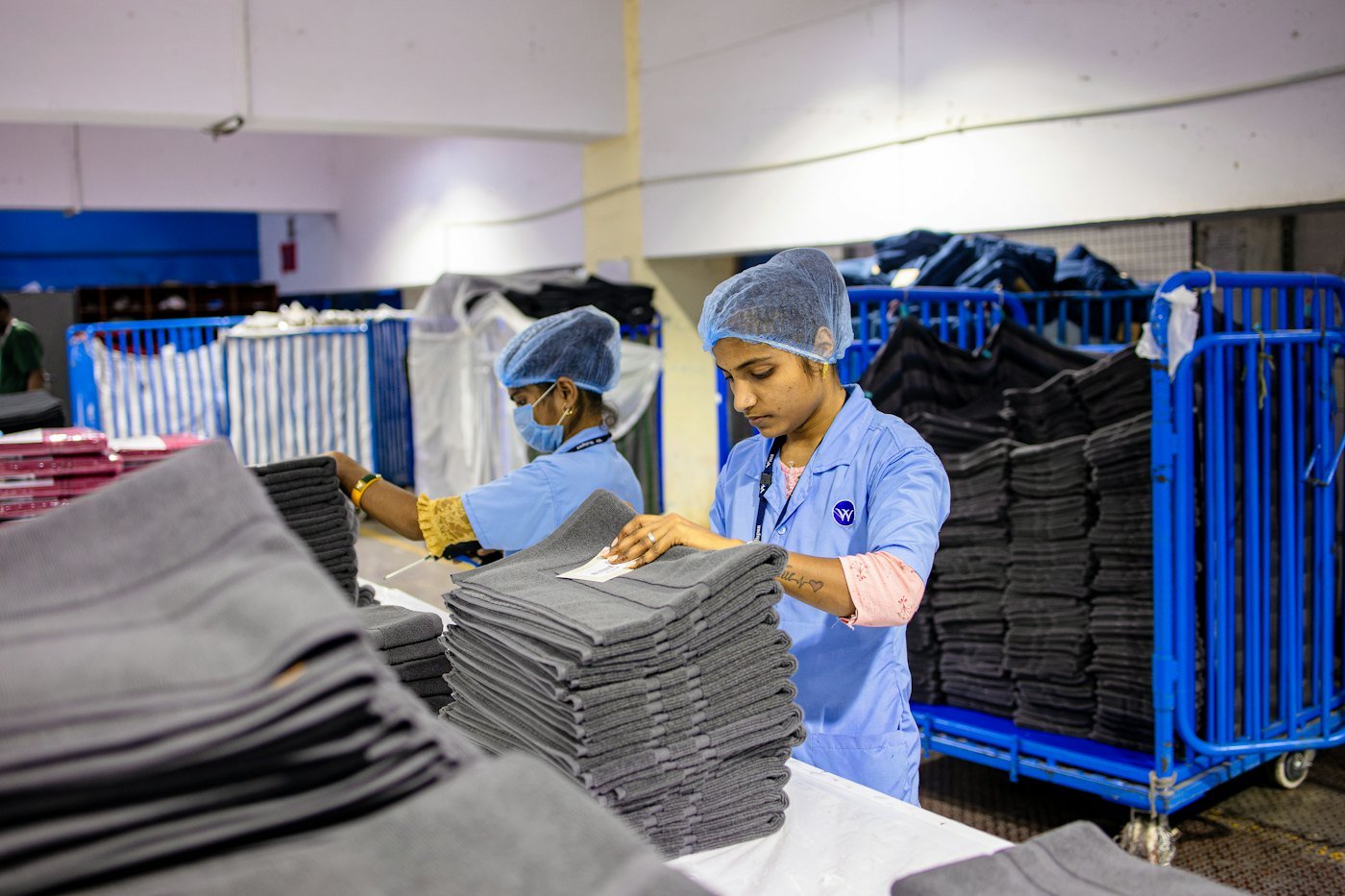
Launch days and holiday weeks stop being a crisis. The 3PL plans labor and space around your forecast, so a viral moment turns into sales instead of a backlog.
5. Wholesale and retail readiness
A 3PL that already ships to retailers knows how to build cases, apply carton labels, prep units to a retailer's standard, and book deliveries inside a window. That opens doors to accounts that a small in-house team cannot serve.
6. Fixed costs become variable costs
Warehouse rent, payroll, racking, forklifts, and software are fixed. You pay them in slow months too. With a 3PL, most costs are tied to what you actually receive, store, and ship.
7. Your time goes back to the brand
The biggest benefit is focus. Founders who stop packing boxes spend that time on product, marketing, and wholesale relationships, which is where a fashion brand wins or loses.
How a 3PL connects to your supply chain in China
Many U.S. fashion brands produce in China or elsewhere in Asia. That makes the handoff between factory and warehouse one of the most important parts of the whole operation. Problems that look like "warehouse issues" often start at the factory:
- Missing or wrong barcodes on units, so every item has to be relabeled on arrival.
- Mixed cartons with several sizes and colors thrown together, which slows receiving and causes count errors.
- Packing lists that do not match what is actually in the cartons.
- Folding and bagging that does not suit your packing standard, so units have to be reworked before they can ship.
- Late shipments with no warning, so the warehouse and your marketing calendar are out of sync.
The fix is an inbound specification: a short document that tells the factory how to label each unit, how to pack cartons (one SKU per carton where possible), how to mark the outside of every carton, and what paperwork to send before the goods leave. Your 3PL should help write it, and your purchasing team should make it part of every purchase order.
This is exactly the gap H.G. Logistics was built to close. We negotiate with suppliers in China, manage purchasing and inbound inventory, then receive, track, and fulfill orders through our U.S. 3PL system. Because one team owns both ends, the carton that leaves the factory is packed the way the warehouse needs it. See our services and six-step process.
What a 3PL costs: the fees to expect
3PL pricing depends on your volume, product size, and services, so compare quotes line by line. Most proposals include some mix of these fees:
- Onboarding or setup: a one-time fee to connect your store and set up your SKUs.
- Receiving: charged per carton, per pallet, per unit, or per hour.
- Storage: charged per bin, shelf, pallet, or cubic foot, usually monthly. Hanging storage is often priced separately.
- Pick and pack: a fee per order plus a fee for each extra item.
- Packaging: mailers, boxes, tissue, and fill, unless you supply your own.
- Shipping: carrier postage, passed through at the 3PL's rates.
- Returns processing: a fee per return, which should include inspection and restocking.
- Value-added services: kitting, relabeling, retail prep, and special projects, often by the unit or hour.
- Account minimums: a monthly minimum spend some 3PLs require.
Ask each 3PL to price the same sample month from your real data: order count, units per order, average item size, return count, and how many SKUs you store. That is the only fair way to compare.
In-house vs. a general 3PL vs. a fashion-ready 3PL
| Factor | In-house | General 3PL | Fashion-ready 3PL |
|---|---|---|---|
| Cost structure | Mostly fixed: rent, staff, equipment | Variable, per order | Variable, per order |
| Size and color accuracy | Depends on your team and process | Varies; may not scan at pack | Scans each unit by SKU |
| Returns | Often delayed at busy times | Basic receipt, limited grading | Inspect, grade, refold, restock |
| Peak season | Hire temps, work nights | Capacity shared with all clients | Plans labor around your drops |
| Brand presentation | Full control | Standard packing | Your folding and packaging rules |
| Wholesale orders | Hard to meet routing guides | Sometimes | Case packs, labels, retail prep |
| Your time | High | Low | Low |
How to choose the right 3PL partner
Use these questions in every sales call. Good partners answer them clearly and back them up with reports.
- Do you work with apparel brands today? Ask for examples of similar order profiles, not just logos.
- How do you prevent wrong-size picks? Look for barcode scanning at both pick and pack.
- Can you store hanging garments? Only matters if you sell items that ship on hangers, but it matters a lot if you do.
- What is your returns process and turnaround time? Ask how they grade items and what you see in the report.
- Which platforms do you integrate with? Your store, marketplaces, and any wholesale or EDI needs.
- How do you measure and report accuracy? Ask what they track, how often they count stock, and how they fix errors.
- What is your plan for peak season? Ask how early they need your forecast and how they add labor.
- Where is the warehouse? Consider distance from your import port and from most of your customers.
- Can you follow our packing standard? Send your folding, insert, and packaging rules and ask them to confirm in writing.
- What does the contract say? Check minimums, term length, notice period, how inventory is released if you leave, and who is liable for loss or damage.
Mistakes to avoid when you switch
- Choosing only on price. A low pick fee means little if mis-picks and slow returns cost you customers.
- Moving during peak season. Plan the move for a quiet month, and never in the weeks before a big launch or the holidays.
- Moving messy data. Clean up SKU names, barcodes, and product weights before you go live.
- No inbound specification. Without one, your first factory shipment into the new warehouse can take days to receive.
- Forgetting returns. Update your returns address, labels, and policy page on the day you switch.
- Setting and forgetting. Review accuracy, speed, and cost reports every month for the first quarter.
How to make the switch, step by step
- Gather your data. Three to twelve months of orders, units per order, returns, and your full SKU list.
- Shortlist and request quotes. Send every 3PL the same data and the same questions.
- Visit or video tour the warehouse. Look at how apparel is stored and how returns are handled.
- Sign and integrate. Connect your store and marketplaces, and test orders end to end.
- Send the inbound specification to your factory. Apply it to the next purchase order.
- Transfer stock. Move inventory in a planned window, with a short sales pause or a split cutover.
- Go live and review. Watch accuracy and shipping times daily for the first two weeks, then monthly.
Frequently asked questions
What is a 3PL for a fashion brand?
A 3PL (third-party logistics provider) receives your apparel inventory, stores it, picks and packs orders, ships them to customers or retailers, and processes returns. A 3PL that knows fashion also handles size and color variants, garment presentation, returns grading, and wholesale requirements.
How many orders does a fashion brand need before using a 3PL?
There is no fixed number. Many brands start looking at a 3PL at around 100 orders a month, or earlier when packing takes the founder's time, storage runs out, or a wholesale account asks for requirements the team cannot meet in house.
Can a 3PL handle hanging garments?
Some can. Garment-on-hanger storage needs rail space and a different receiving and picking process than folded goods. If you sell coats, suits, or dresses that ship on hangers, confirm this capability before you sign.
Can one 3PL ship Shopify, Amazon, and wholesale orders?
Yes, if the 3PL integrates with your sales channels and can meet retailer routing guides and labeling rules. Keeping all channels in one warehouse means one inventory count and fewer stockouts.
How do returns work with a 3PL?
The 3PL receives the returned item, checks it against your rules, and grades it. Items that pass are refolded, rebagged, and put back into sellable stock. Others are set aside for repair, discount, or disposal. You should get a report on each return.
Where should a fashion brand's 3PL be located?
Close to where your inventory arrives and where your customers are. For brands that manufacture in Asia, a West Coast warehouse shortens the trip from the port. Brands with many East Coast customers sometimes add a second location later.
Buying from China and shipping across the U.S.?
We negotiate with your suppliers, manage purchasing and inbound inventory, then receive, track, and fulfill your orders through our U.S. 3PL system. One team, accountable from factory to customer.
Discuss your import needs